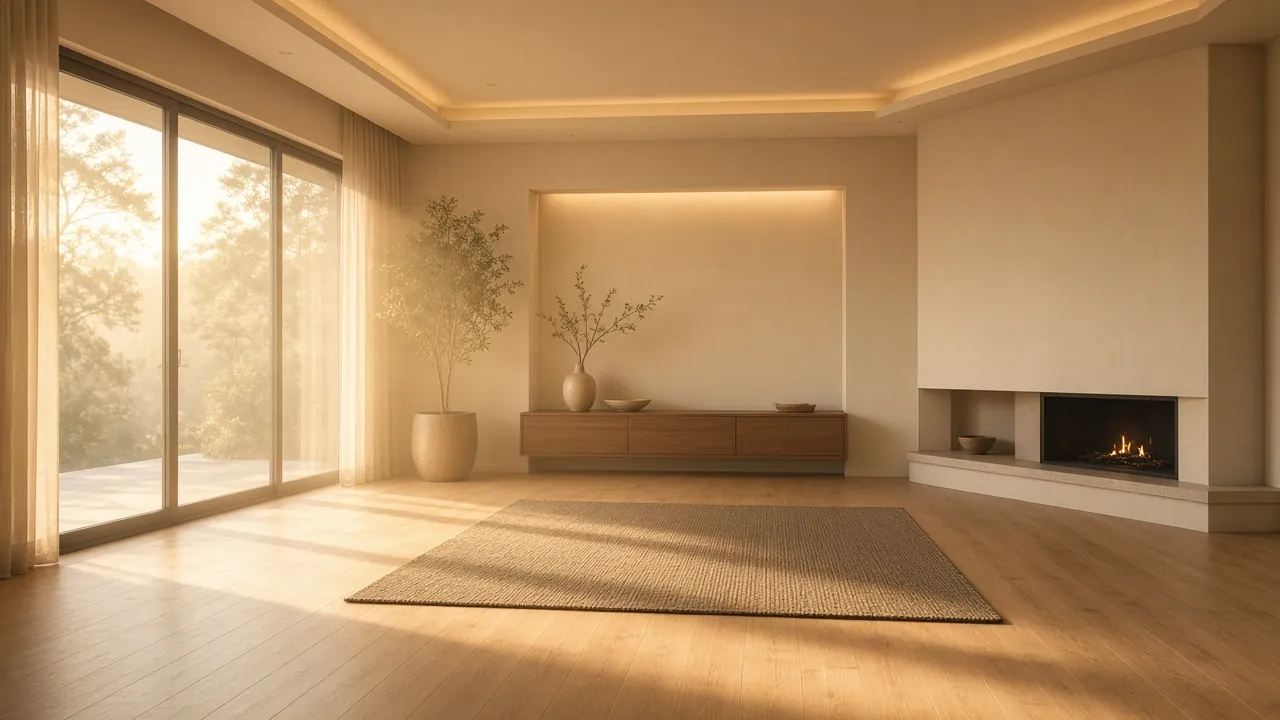
We’ve all been there: scrolling through Zillow late at night, fueled by a potent cocktail of curiosity and mild existential dread. You click on a listing, and it’s… perfect. A sprawling, sun-drenched living room with impossibly plush sofas, a kitchen that looks straight out of a culinary magazine, a bedroom bathed in a dreamlike glow. The price is, perhaps, a little too good. The location seems idyllic. You envision your life unfolding within those meticulously curated walls. But then, a flicker of doubt. Something feels… off. The symmetry is uncanny. The light impossible. The furniture, though stylish, has a faint, almost sterile quality. You, my friend, might have just stumbled upon a ghost listing – a property showcased in real estate photos that, in its current state, or perhaps ever, bore little resemblance to the digital masterpiece before you.
Welcome to the fascinating, sometimes frustrating, and always intriguing world of doctored real estate photography. It’s not about simple HDR adjustments or minor touch-ups; we’re talking about a level of digital artistry so profound it can transform a dilapidated shack into a palatial estate, or invent spaces that exist only in the ethereal realm of pixels. This isn’t always malicious, but it’s certainly a phenomenon that warrants closer inspection for any discerning Zillow explorer.
Disclosure: Our guides are researched from the public sources we cite; we don't carry out hands-on product testing.
The Illusionists of Light and Space: What are Ghost Listings?
At its core, a 'ghost listing' isn't necessarily a house that literally doesn't exist (though those AI-generated fakes are a whole other scary story!). More often, it refers to a home whose online visual representation has been so heavily manipulated, staged, or even entirely fabricated from scratch using computer-generated imagery (CGI) that the tangible reality is a shocking departure. Think of it as real estate’s answer to Photoshop fails, but with an entire property as its canvas.
The Many Faces of the Photo Phantom:
- Virtual Staging gone Wild: This is perhaps the most common culprit. A vacant, often run-down or oddly configured house is given a complete digital makeover. Furniture, rugs, art, and even entire architectural details like fireplaces or built-in shelving are added with startling realism. While virtual staging itself is a legitimate tool, the 'ghost' element emerges when these digital additions become so pervasive and unrealistic that they create a false impression of the home's lived reality.
- CGI Construction Previews: Often seen with new builds or speculative developments, these photos depict homes that are either in the very early stages of construction or haven't even broken ground yet. They're glossy, aspirational visions of what could be, but entirely lack the genuine wear and tear, the subtle imperfections, or even the fully realised dimensions of a physical structure.
- Extreme Photo Manipulation: Beyond simple brightening, this involves digitally repairing significant damage, removing undesirable elements (power lines, overgrown yards, even neighboring houses!), adding lush landscaping to barren plots, or even completely altering the season. A crumbling wall becomes pristine brick, a muddy swamp turns into a sparkling koi pond.
- The 'Before' and 'After' Conundrum: Sometimes, the 'after' pictures are from a previous, now drastically different, iteration of the home. Perhaps it was once a meticulously maintained estate, but years of neglect have turned it into a shell. The listing uses the old photos, creating a beautiful phantom that no longer exists.
Why Do They Haunt Our Screens? The Motivations Behind the Mirage?
It's easy to assume malice, but the motivations behind ghost listings are often more complex, ranging from genuine marketing strategies to outright deception.
- To Spark Interest and Drive Traffic: In a crowded market, a stunning, aspirational image is a powerful magnet. Photos of a 'perfect' home compel clicks, even if the reality is far from it. The hope is that once you’re hooked, you’ll overlook imperfections in person, or that the sheer number of inquiries will create a sense of urgency.
- To Showcase Potential: For fixer-uppers or properties needing significant renovation, virtual staging or CGI can be a way to help potential buyers visualise what the space could become. This can be beneficial, but only if clearly disclosed and grounded in realistic possibilities.
- To Conceal Flaws: This is where things get ethically murky. Digital trickery can hide water damage, structural issues, outdated décor, or poor lighting. It’s an attempt to minimise perceived weaknesses and maximise perceived strengths.
- Cost-Effectiveness over Physical Staging: Physically staging a large, vacant home can be incredibly expensive. Virtual staging offers a cheaper, faster alternative, allowing agents to present a polished look without the logistical nightmare.
- Pre-Selling Unbuilt Properties: For new developments, detailed CGI renderings are essential for presales, allowing buyers to commit to a property that is still just blueprints and dreams.
- Lack of Disclosure: Often, the true nature of these photos isn't clearly stated. Hiding the fact that rooms are virtually staged or that external photos are conceptual renderings blurs the line between marketing and misrepresentation.
Becoming a Ghost Hunter: How to Spot a Phantom Property in Real Estate Photos
Don't be fooled by the supernatural sparkle! With a keen eye and a healthy dose of skepticism, you can become an expert ghost hunter and identify these illusory listings before you waste your time or even your money.
The Red Flags and Tell-Tale Signs:
The Ethereal Glow & Impossibly Perfect Lighting: Does every room look like it's bathed in the golden hour, even in an interior shot with no discernible windows? Is the light source ambiguous? CGI lighting often lacks the subtle imperfections and shadows of natural light, giving rooms an overly bright, diffuse, or almost flat appearance.
The Furniture That Doesn't Quite Fit: Virtually staged furniture often has a very generic, showroom quality. Look for:
- Repetitive or Identical Pieces: Do the same plants, lamps, or accent chairs appear in multiple, unrelated rooms?
- Lack of Wear and Tear: No wrinkles on a sofa, no scuffs on a coffee table, no worn spots on a rug. Everything is pristine.
- Scale and Perspective Problems: Sometimes, a chair will look slightly too small for a room, or a table will seem to float unnaturally. CGI can struggle with perfect depth perception.
- Strange Edges or Glitches: Occasionally, you might spot a faint pixelated edge around an item, or a slight blur where a real object meets a fake one.
- Impossibly Clean Linens: Beds are always perfectly made, towels are folded flawlessly. This is common in staging, but in virtually staged homes, it's taken to an almost sterile extreme.
The Uncanny Valley of Landscaping: Exterior shots can be particularly deceptive. Look for:
- Too-Good-to-Be-True Lawns: Perfect, emerald-green grass without a single weed, even in winter photos.
- Mature Trees in New Developments: If it's a brand-new house, but the surrounding trees are towering and ancient, they might be digitally inserted.
- Lack of Real-World Elements: No bins, no garden hoses, no subtle imperfections that indicate actual use.
- Shadow Inconsistencies: Do shadows fall in logical directions based on the visible light source? CGI can sometimes get this wrong.
The Ghostly Reflections: Look into mirrors or reflective surfaces. Do they show a realistic reflection of the room? Sometimes, virtual staging software struggles with complex reflections, and you might see an empty wall or an incomplete reflection where furniture should be.
The Disclosure (or Lack Thereof): Reputable agents and developers will indicate if photos are virtually staged or conceptual renderings. Look for small print like "Virtually Staged" or "Artist's Rendering" in the photo captions or property description. If it's absent, be wary.
Comparing Street View and Satellite Imagery: If an address is provided, cross-reference it with Google Street View or satellite maps. Does the exterior match? Is the landscaping present? Is there even a house there at all?
The Generic Decor Paradox: Sometimes, virtually staged homes will use decor so generic it feels like it came straight from a stock photo library. It's meant to be universally appealing, but ends up looking soulless.
Consistency Across Photos: If some photos show a sparse, empty interior but then others miraculously present beautifully furnished rooms, it's a huge giveaway for virtual staging.
The Ethical Tightrope: When Does Ghost Artistry Become Deception?
The line between artistic enhancement and outright misrepresentation is fine, and often subjective. Virtual staging, when clearly disclosed and used to simply demonstrate furnishing possibilities in a vacant but otherwise sound home, is a legitimate and helpful tool. It allows buyers to visualise a liveable space rather than a cold, empty shell.
However, when digital manipulation crosses into altering structural elements, concealing significant damage, or depicting features that are simply not present and never will be (without extensive and costly renovation), it becomes deceptive. It wastes buyers’ time, creates false expectations, and erodes trust in the real estate industry.
Ultimately, the onus is on both the lister to be transparent and the consumer to be savvy. As Zillow becomes an increasingly immersive experience, so too does the sophistication of its visual trickery.
The Takeaway for the Avid Zillow Explorer
So, the next time you’re mesmerized by a pristine, sun-drenched listing with a price that seems too good to be true, take a moment. Put on your ghost-hunting goggles. Scrutinize the reflections, question the light, and evaluate the furniture with a critical eye. Don't be afraid to ask for more photos, especially un-staged ones, or to schedule an in-person viewing as your ultimate reality check.
The thrill of the hunt for the perfect home is undeniable, but falling in love with a digital phantom can lead to disappointment and wasted effort. By understanding the techniques behind these ghost listings, you can navigate the digital real estate landscape with greater confidence, ensuring that the dream home you envision actually exists beyond the screen.
Sources and further reading
Official and primary sources covering the topics in this article:
- Consumer protection rights (GOV.UK): background on your rights when buying goods and services.
- HM Land Registry (GOV.UK): background on property ownership records in England and Wales.
- Planning permission (GOV.UK): background on when works need planning permission.
Frequently asked questions
The Illusionists of Light and Space: What are Ghost Listings?
At its core, a 'ghost listing' isn't necessarily a house that literally doesn't exist (though those AI-generated fakes are a whole other scary story!).
Why Do They Haunt Our Screens? The Motivations Behind the Mirage?
It's easy to assume malice, but the motivations behind ghost listings are often more complex, ranging from genuine marketing strategies to outright deception.
What should you know about Becoming a Ghost Hunter: How to Spot a Phantom Property in Real Estate Photos?
Don't be fooled by the supernatural sparkle! With a keen eye and a healthy dose of skepticism, you can become an expert ghost hunter and identify these illusory listings before you waste your time or even your money.
The Ethical Tightrope: When Does Ghost Artistry Become Deception?
The line between artistic enhancement and outright misrepresentation is fine, and often subjective. Virtual staging, when clearly disclosed and used to simply demonstrate furnishing possibilities in a vacant but otherwise sound home, is a legitimate and helpful tool.
Chris is a freelance writer and editor covering a wide range of topics with a focus on accuracy and depth.
Last updated: 2026-04-25 · Fact-checked by editorial team
Content Attribution: All content on Weird Realty is original. External sources are attributed where applicable. Trademarks belong to their respective owners.